Stay Until the Lights Come On: The Secret Religion of NYC's Last-Hour Dance Floor
Stay Until the Lights Come On: The Secret Religion of NYC's Last-Hour Dance Floor
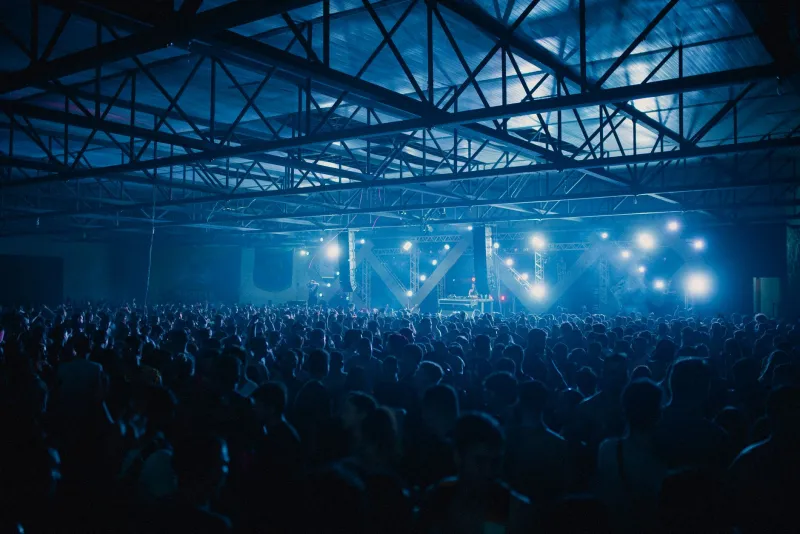
There's a version of a New York night that most people never see. It exists somewhere between the second wind and the sunrise, in a room that's half the size it was an hour ago, where the DJ just switched and nobody's performing anymore — not for Instagram, not for anyone they're trying to impress. Just bodies, bass, and the particular kind of freedom that only comes when the clock tips past 2 AM and the casual crowd has quietly dissolved into the city.
This is the hour that regulars protect like a secret. And honestly? They're right to.
The Handoff Is Everything
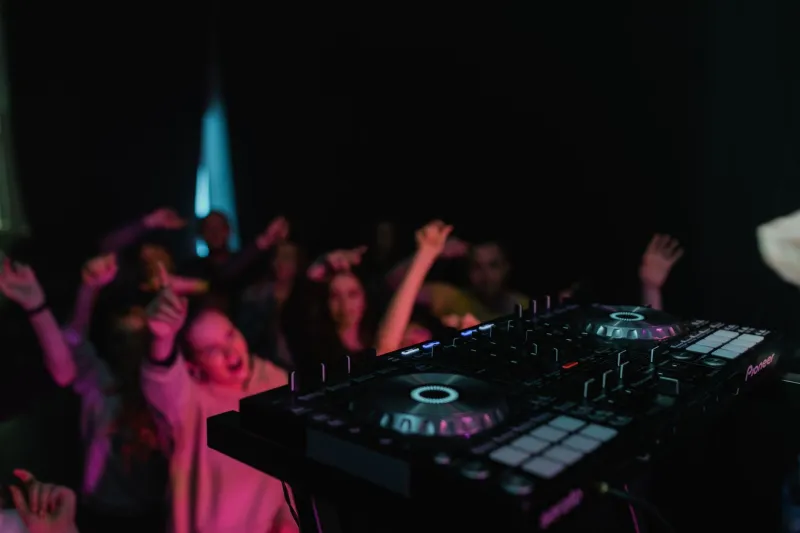
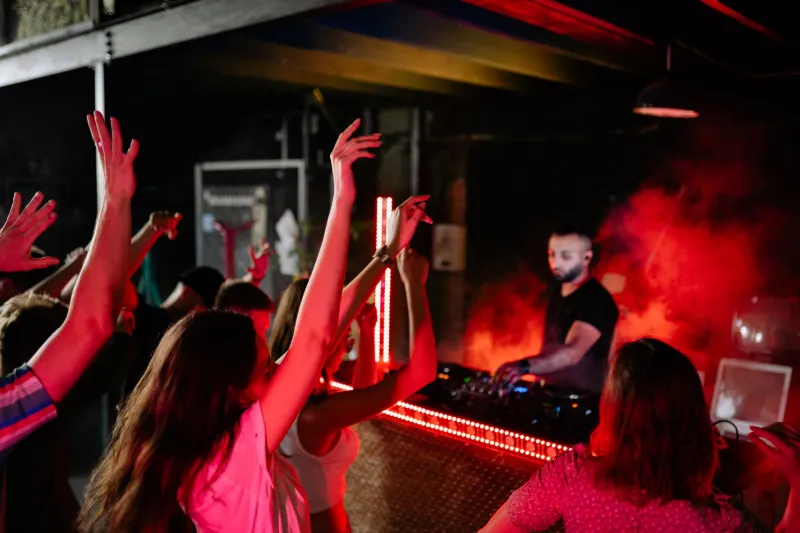
If you've spent enough time in New York's underground club scene — at spots like Nowadays in Ridgewood, Bossa Nova Civic Club in Bushwick, or the back room of any number of deliberately hard-to-find Lower East Side venues — you already know the moment. The outgoing DJ fades their last track into something hypnotic and transitional. The incoming DJ steps up, adjusts the monitors, takes a beat. And then the room shifts.
It's not dramatic. It's actually the opposite. The shift is quiet, almost internal — like a collective exhale. The people who stayed aren't waiting for a drop. They're already inside the music.
"That handoff is the whole night for me," says Marcus Delray, a Brooklyn-based resident DJ who holds a monthly at a Bushwick warehouse space he'd rather not name publicly. "I've been playing the 2-to-close slot for four years. What I get to do in that room, with those people, at that hour — you can't replicate it earlier in the night. The crowd is completely different. They're not watching. They're just in it."
The 2 AM switch is, in many ways, the truest expression of what New York club culture has always been about: endurance as a form of devotion, patience as the price of admission to something genuinely rare.
Who Stays — and Why
Ask anyone who's made a habit of closing out New York clubs, and they'll describe a specific kind of person who remains after the 2 AM mark. Not necessarily the drunkest. Not always the most experienced. But almost always the most present.
Joanna Vega, a longtime promoter who runs nights across three different Manhattan venues, puts it bluntly: "By 2, you've lost the people who came to be seen. What's left is people who came to feel something. That's the crowd every DJ actually wants to play for."
The thinning of the room is, paradoxically, what makes it feel bigger. The energy concentrates. The dance floor, now less crowded, becomes more kinetic. People who were politely two-stepping near the edges migrate toward the speakers. Conversations stop. Phones go away. The music gets weirder — deeper, stranger, more experimental — because the DJ finally has permission to go there.
"I save my favorite records for that hour," Marcus says. "Stuff that's too abstract for earlier in the night, when people are still getting comfortable. By 2, I can play a 12-minute track that builds for six minutes before it does anything, and the room is with me the whole time."
The Unwritten Code
There's an unspoken social contract that governs the late-night handoff culture in NYC, and it runs in both directions. The DJs who take the closing slot understand they're inheriting a room that's been primed — emotionally and physically — by whoever came before them. They don't reset the energy; they carry it forward, redirect it, take it somewhere new.
And the crowd that stays? They understand their role too. Nobody's heckling for hits. Nobody's demanding the DJ "play something I know." The implicit agreement is that this final hour is a collaborative experiment, and everyone in the room has opted in.
"It's almost like a different venue after 2," says Dani Osei, a regular at several Ridgewood and Bushwick spots who estimates she's closed out a club "at least a hundred times" in the last five years. "The bartenders relax. The bouncers relax. Even the sound guy seems more into it. The whole place kind of exhales and becomes itself."
This is the hour when New York's club scene most closely resembles its own mythology — the legacy of Paradise Garage, of David Mancuso's Loft, of the early-morning euphoria that defined the city's dance culture for decades. You're not just staying late. You're participating in something with a lineage.
 Photo: David Mancuso's Loft, via media.cnn.com
 Photo: Paradise Garage, via wallpapercave.com
Why the City Makes It Harder
Of course, staying until the lights come on in New York isn't always easy — and it's getting harder. Noise complaints, liquor license restrictions, and the ongoing squeeze of gentrification on the outer boroughs' venue ecosystem have all conspired to make late-night culture more fragile than it's ever been. Some of the best spots for that closing-hour magic have shuttered in recent years, pushed out by rising rents or noise ordinances that treat a 3 AM kick drum like a public health emergency.
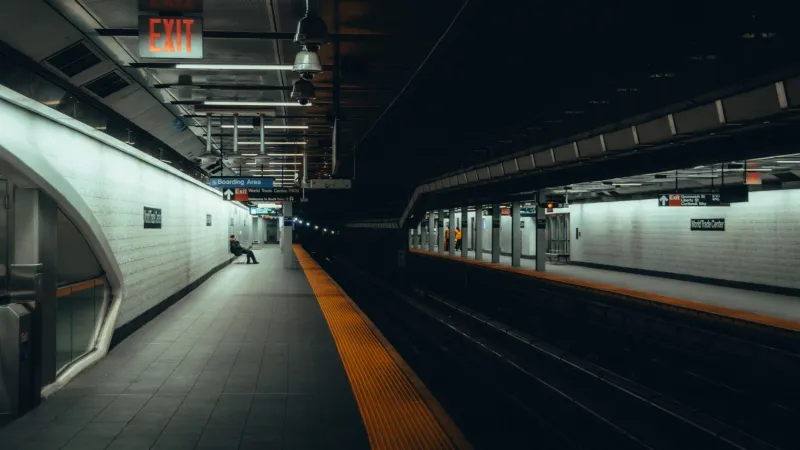
The subway's late-night service gaps don't help either. Getting home after 3 AM in this city requires either the luck of a well-timed train or the budget for a surge-priced rideshare. For a lot of people — especially those who don't live in the neighborhoods where the best clubs operate — staying until close is a genuine logistical commitment.
And yet. People do it anyway. Every weekend, in rooms across Brooklyn and Manhattan and Queens, a few hundred true believers stay put while the rest of the city heads for the door. They stay because they've learned, through experience, that the night rewards patience in ways that can't be explained to someone who's never felt it.
The Last Record
There's a particular kind of silence that fills a club when the final track ends and the lights come up. It's not the silence of disappointment or exhaustion — it's the silence of people who just shared something they don't quite have words for. Eyes adjust. Faces emerge from the dark. People look at each other with that particular expression that says: yeah, that happened.
Marcus describes his last record of the night as something he thinks about all week. "I want it to feel like a landing, not a stop," he says. "Like the music set you down gently somewhere and now you have to figure out how to walk back into the world."
That's the promise of the 2 AM switch, and the reason the devoted keep showing up and staying late in a city that makes everything — parking, sleeping, affording rent — unreasonably difficult. New York's best nights aren't built in the opening hour, when the room is full and everyone's performing. They're built in the final one, when the pretense falls away and the music finally gets to be exactly what it wants to be.
Stay for it. It's worth every minute.