No Location Until Midnight: Inside Brooklyn's Deliberately Invisible Rave Revival
No Location Until Midnight: Inside Brooklyn's Deliberately Invisible Rave Revival
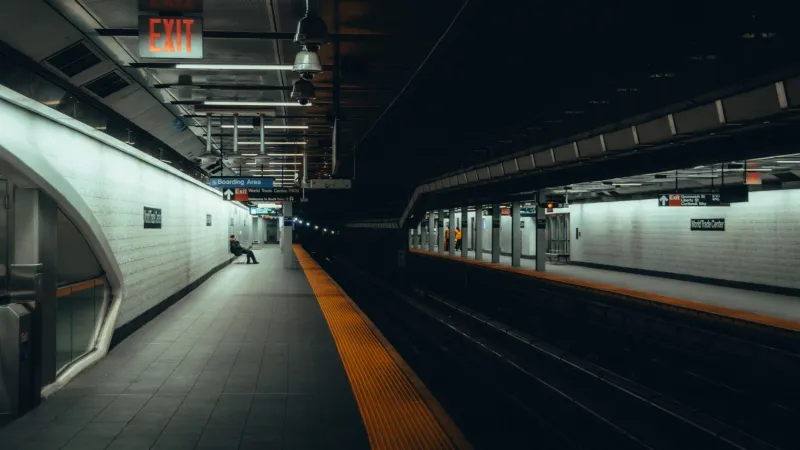
The text comes through sometime after 11 p.m. A cross street in Bushwick. A loading dock number. A color-coded signal to show the person at the door. By the time you arrive, the bass is already shaking the corrugated metal walls from half a block away, and there isn't a single piece of signage, a velvet rope, or a promoted Instagram Story in sight. You either know, or you don't.
This is Brooklyn's underground rave scene in 2025 — and if you're reading about it here, some of the people running it are already a little nervous.
The Deliberate Disappearing Act
Talk to enough organizers in this world and a clear philosophy emerges pretty fast: visibility is the enemy. Not law enforcement, not noise complaints, not even the rising cost of industrial lease space in Greenpoint and East New York. The real threat, they'll tell you, is the algorithm.
"The second something gets posted, it's over," says a promoter who's been running events in the borough for about three years and asked to be identified only as Mara. "You get the crowd that came because it looked cool on a screen. You get the influencers. You get the people who leave after an hour because they got their content. And then the people who actually wanted to be there — who needed to be there — they stop coming."
Mara's events operate on a tiered trust system that would feel paranoid if it didn't work so well. A core list of regulars gets a Signal message with partial information around 10 p.m. The full address drops after midnight. Guests are encouraged to leave their phones in provided pouches — not forced, but the social pressure to comply is real. Photography is quietly, firmly discouraged.
It sounds extreme. It also sounds, to anyone who remembers what New York nightlife felt like before every club night had a content team, like something close to a lifeline.
Why Now?
The timing of this revival isn't accidental. It tracks almost directly against the post-pandemic overcommercialization of NYC's club scene — a period when bottle service crept into spaces that used to pride themselves on egalitarianism, when DJ sets started getting interrupted by birthday announcements, when the vibe at certain formerly-legendary rooms began to feel less like a collective experience and more like a brand activation.
"There was this moment around 2022 where I looked around a dance floor I used to love and realized I was basically at a marketing event," says DJ and producer Theo K., who now plays almost exclusively at unlisted shows. "Everything was curated for the photo. The lighting was Instagram lighting. I couldn't feel anything."
That disillusionment — widely shared among DJs, dancers, and the kind of people who used to spend every weekend in the basement of now-shuttered spots like Resolute or Bossa Nova Civic Club — created the conditions for something to grow in the gaps. And Brooklyn's industrial pockets, with their abundance of warehouses, loading bays, and underused manufacturing spaces, provided the geography.
Who's Actually Getting In
Here's where the conversation gets more complicated, and where the scene's most honest participants are willing to sit with some discomfort.
An invite-only structure built on existing social networks will, almost by definition, replicate those networks' blind spots. If the people doing the inviting are predominantly white, predominantly connected to certain artistic or musical communities, the room reflects that. The gatekeeping that keeps out the influencers and the bottle-service crowd can also keep out people who simply weren't born into the right circles.
"I think about this a lot," admits Deja, a regular who found her way into the scene through a friend of a friend about eighteen months ago. "I'm a Black woman, and I got lucky that someone vouched for me. But I know other people — just as passionate about music, just as respectful of the space — who don't have that connection. Is the solution to commercialization just... a different kind of exclusion?"
Organizers like Mara acknowledge the tension without fully resolving it. Some events have begun building in what they call "open slots" — a small number of spots at each event distributed through a low-key application process that's deliberately not promoted loudly, but does exist. It's an imperfect patch on a structural problem, and most people involved know it.
There are also legitimate safety questions. Unlicensed events in industrial buildings carry real risk — fire safety, crowd capacity, medical response. The organizers we spoke with described their own precautions: volunteer safety teams, capped attendance, emergency protocols. But the absence of official oversight is a genuine vulnerability, not just a vibe.
The Sound Is the Point
Set aside the politics of access for a moment and just talk about what's actually happening musically, and you start to understand why people keep showing up.
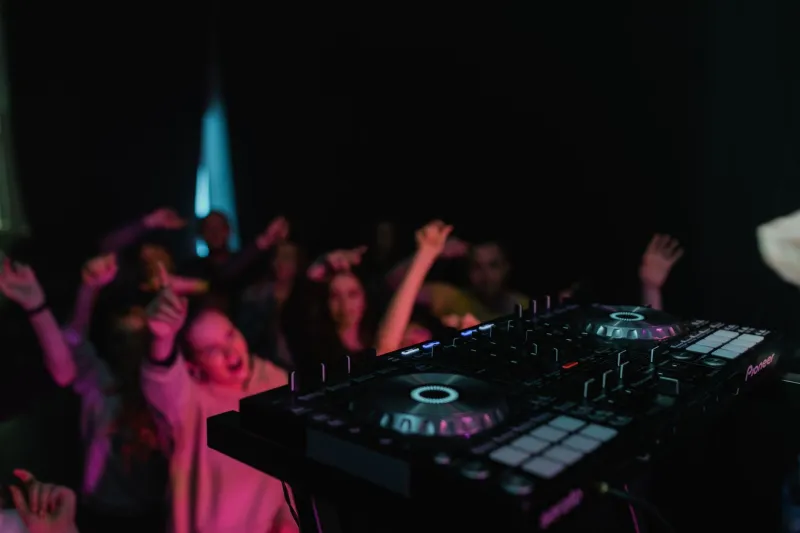
These aren't nights built around headliner bookings or genre tourism. The lineups tend to run deep into techno, electro, and harder-edged house, with DJs who play four- and five-hour sets without a warm-up act in sight. Sound systems are obsessively sourced — rented, borrowed, sometimes built from scratch by people in the scene who treat audio engineering as a spiritual practice.
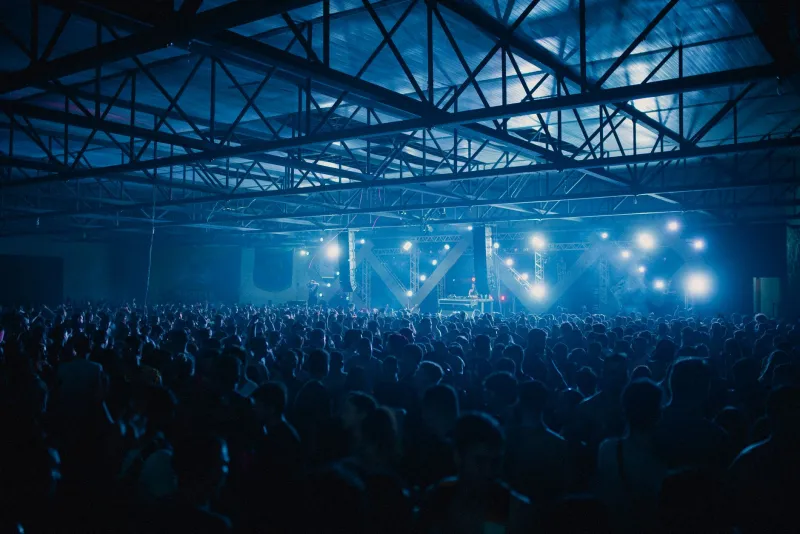
"The room I played last month had a rig that cost more than most club installs in this city," says Theo K. "And nobody outside of maybe three hundred people will ever know it happened. That's not a tragedy. That's the point."
There's something almost countercultural in that insistence — a deliberate refusal to let the experience become content, to let it be consumed by anyone who wasn't physically present. In a city where every corner of nightlife has been documented, hashtagged, and monetized, the idea of a night that simply ceases to exist after it ends carries a strange kind of weight.
Keeping the Pulse Underground
New York has always had a complicated relationship with its own nightlife mythology. The loft parties of the '70s, the Paradise Garage era, the early '90s warehouse circuit — these scenes are revered precisely because they existed outside of mainstream visibility, because they built community in the dark. The fact that we now know their history is, in some ways, a product of their eventual exposure.
The people running these Brooklyn nights seem acutely aware of that cycle. They're not trying to build the next legendary institution. They're trying to have a good night, and then another one, and keep having them for as long as possible before the city's relentless gentrification machine, or a noise complaint from a new condo building, or a single viral post ends it.
Whether that's sustainable is genuinely unclear. Whether it's fully equitable is an open question the scene is still working through. But as a response to the sterile, overlit, content-optimized version of nightlife that's been slowly swallowing New York whole — it's hard not to feel the pulse in it.
The address drops at midnight. You either get the text or you don't.