Play It Loud Before It's Real: How NYC's Underground Stages Became the Music Industry's Best Focus Group
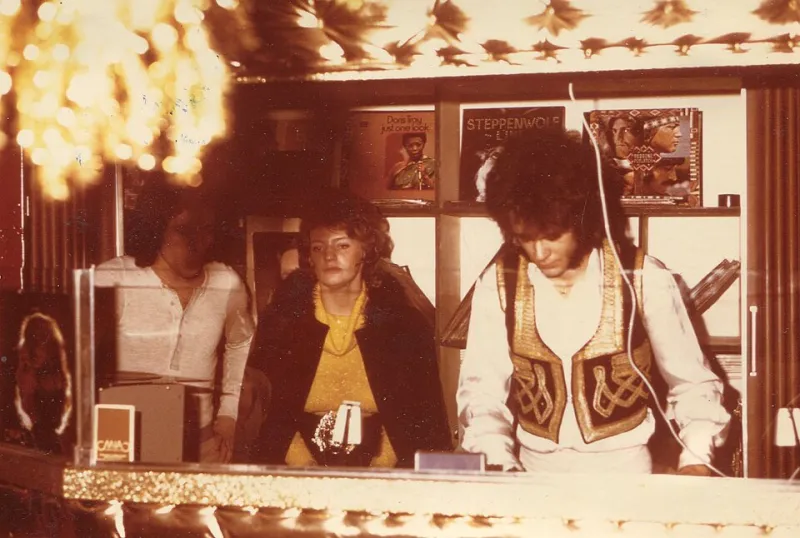
Photo: Lars Jacob Prod assistant on assignment, Public domain, via Wikimedia Commons
There's a moment that producers talk about in hushed, almost reverent terms. The drop hits. The room shifts. Bodies that were loosely moving suddenly lock in, shoulders drop, eyes close. Or they don't — and that silence, that half-second of disconnection, tells you everything a focus group never could.
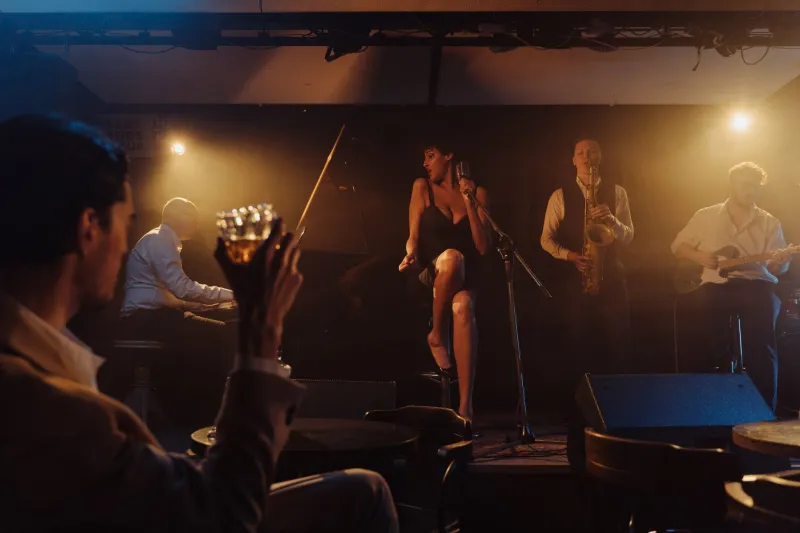
Welcome to New York City's most important music laboratory. It doesn't have a name on the door. The drinks are overpriced and the bathrooms are questionable. But what happens on these floors — from the back rooms of Bushwick warehouses to the tight DJ booths at spots like Nowadays and Market Hotel — is shaping what you'll be streaming six months from now.
The Dancefloor Doesn't Lie
Ask any producer worth their stems and they'll tell you the same thing: no amount of playback through studio monitors replicates what a room full of people does to a track. The frequency response changes. The low end hits differently. And more importantly, the human response tells you things that data never will.
"I've finished a track, thought it was done, played it out, and known immediately it needed another eight bars before the drop," says one Brooklyn-based producer who asked to remain anonymous because they're currently signed to a label with strict release protocols. "The crowd telegraphs everything. They don't know they're doing it, but they are."
This isn't a new phenomenon — DJs have been testing acetates and white labels in clubs since the disco era. But what's changed in the current NYC scene is how deliberate and structured the process has become. Producers are now intentionally booking low-key sets, or slipping tracks to trusted DJ friends, specifically to run what amounts to an informal listening session disguised as a party.
The Engineers in the Booth
Sound engineers at smaller venues have become unlikely collaborators in this process. At a mid-sized room in Williamsburg that books around 200 people on weekend nights, the house engineer — who's been running sound there for nearly four years — describes a pattern he sees constantly.
"Someone will come in with a USB or a WAV file, sometimes even an MP3, and ask me to load it into the system. They want to hear it in the room. They're not performing it, they're just... listening to how it sits in the space."
He's learned to read the room alongside the artists. A track that sounds muddy in the mids on studio speakers might open up beautifully in a live room. Or it might reveal a kick drum that's competing with the sub in ways that only a physical dancefloor can expose. These aren't small fixes — they're the difference between a song that moves people and one that just plays.
Venue acoustics, he argues, are essentially a second mixing stage. "I've had producers come back after a set and want to talk for an hour about what they heard. That conversation is part of the record now."
Trust, Discretion, and the Unwritten Rules
The whole system runs on a code of silence that's almost old-school in its rigidity. When an established artist — someone with an actual release schedule and label obligations — drops an unreleased track into a set, everyone in that room understands something implicitly: what happens at Elsewhere stays at Elsewhere.
Phone culture has complicated this. The instinct to capture everything and post it immediately is real, and it's created friction in spaces that used to operate with more anonymity. Several promoters in the city have quietly started enforcing camera-free policies for certain late-night sets, not just to protect the vibe, but specifically to protect the music.
"We had a situation where someone posted a clip of a track that wasn't out yet," recalls one promoter who runs a monthly series in the East Village. "The artist wasn't angry exactly, but it changed the relationship. They were less likely to take the risk of playing new stuff here again. And that's a loss for everyone."
The regulars who attend these nights understand their role. They're not passive consumers — they're participants in a creative process, even if that participation is just dancing or not dancing, staying on the floor or drifting to the bar.
What This Means for the Industry
Major labels have started paying attention to which tracks are generating buzz before they exist officially. A&R scouts now attend underground nights not just to find new artists, but to watch how unreleased material from signed artists lands in real rooms. It's a feedback loop that runs in multiple directions.
For emerging musicians, the calculus is different but equally important. Playing an unfinished track at a small venue — even just once — can reveal whether the emotional core of a song is landing, whether the energy arc works, whether the hook is actually hooking.
One vocalist who performs regularly at venues in Crown Heights describes playing a version of a song that eventually became her most-streamed track. "The first time I played it, it died. Like, completely. I went home, rewrote the bridge, changed the tempo slightly, played it again three weeks later. Different song. Different response. That's not something I could have figured out at home."
The City as Co-Producer
Maybe the most honest way to understand this phenomenon is to think of New York City itself — its rooms, its people, its relentless willingness to tell you when something isn't working — as an uncredited collaborator on a significant portion of the music coming out of this scene.
The dancefloor is brutal. It's also generous. It rewards the tracks that deserve to exist and quietly sidelines the ones that don't. No algorithm does that with the same precision.
Next time you're at a set and something unfamiliar comes through the speakers and the room just goes — hold onto that feeling. You might be one of the first hundred people to ever hear that song. And your reaction, whether you know it or not, is already shaping what it becomes.