Dressed After Dark: Why Getting Ready for a NYC Night Out Is Still the Most Political Thing You Can Do
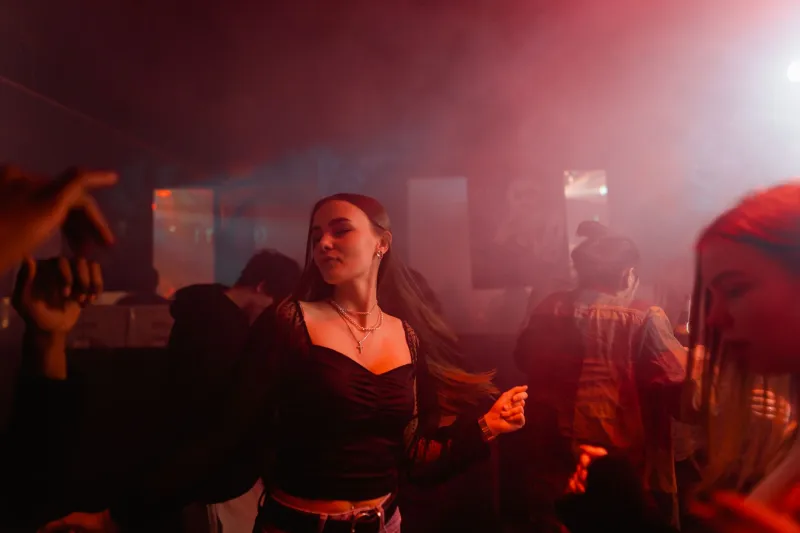
There's a moment — somewhere between the second coat of liner and the final check in the full-length mirror — when getting ready for a New York night out stops being routine and becomes something closer to ceremony. You're not just choosing an outfit. You're choosing a version of yourself. And in a city that will absolutely judge you for it, that choice carries weight.
The rest of American culture has largely surrendered to comfort. Remote work flattened the dress code. Athleisure ate the business casual lunch. But New York's nightlife never got that memo, or more accurately, it read the memo, laughed, and showed up in a hand-beaded corset anyway.
The Floor as Runway
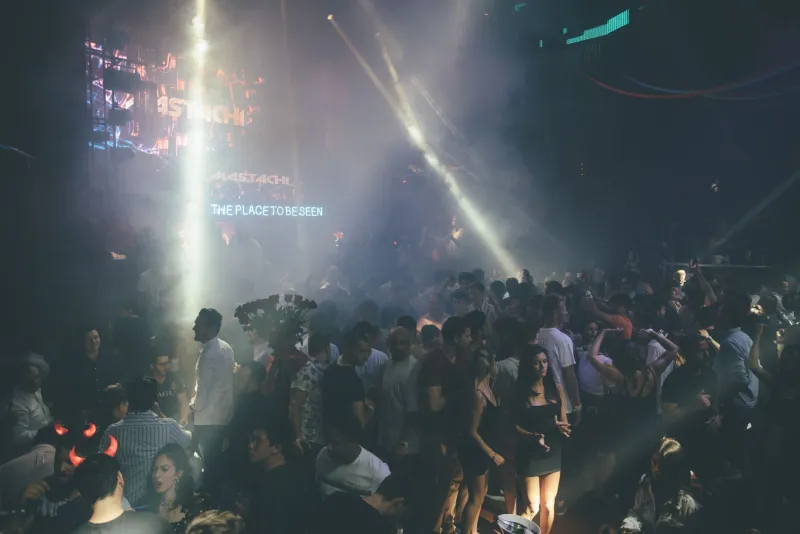
Ask anyone who's spent serious time in the city's clubs — not just passing through, but living in the rooms — and they'll tell you the same thing: the dance floor is a fashion show that never announced itself. Nobody claps, nobody scores you, but everyone is absolutely watching.
"The floor is the only honest runway left," says Marcus Webb, a club photographer who's been documenting New York nightlife for over a decade, his archive stretching from the tail end of the downtown loft era through to today's warehouse sprawl in East Bushwick. "Fashion week is curated to death. But at 2 AM, when someone walks in wearing something genuinely unexpected, the whole room feels it. There's no stylist behind that. That's just a person who decided."
That decision — and the courage it takes — is what separates nightlife style from fashion as an industry. The runway is controlled. The club is feral. And feral, it turns out, produces some of the most interesting looks the city has ever seen.
The Geography of Getting Dressed
New York's nightlife style isn't monolithic. It's a borough-by-borough argument, a neighborhood-level negotiation about what cool even means.
Head to the meatpacking district on a Friday and you'll find a particular kind of ambition on display: sleek, expensive, deliberately legible. The sequins are real. The heels are architectural. The look communicates arrival — social, financial, aspirational. It's nightlife as LinkedIn profile, and there's nothing wrong with that. It's a version of dressing that says I made it here and I want you to know it.
Cross the bridge into Brooklyn and the grammar shifts entirely. In Bushwick's warehouse circuit, the uniform tilts toward something that takes just as much thought but performs the opposite intention. Vintage industrial, gender-fluid layering, paint-stained denim worn with the kind of precision that only looks accidental. The deliberate dishevelment is its own kind of luxury — the luxury of not needing to perform wealth, because cultural capital is the currency that gets you through the door.
"People think Bushwick is anti-fashion," says Dee Castillo, a stylist who works with performers and DJs across the city. "It's not. It's hyper-fashion. It just refuses to acknowledge the brands that want to own it. That takes more work, honestly. You can't just swipe a credit card and walk in looking right. You have to actually have a point of view."
And then there's Harlem, the Lower East Side, Jackson Heights on a Saturday night — pockets of the city where nightlife style is rooted in something older and more communal. Dress codes that honor tradition without being trapped by it. Looks that reference lineage — Caribbean, West African, Latin American — and remix them through a New York lens that is entirely its own thing. These rooms don't make the glossy roundups often enough, but they're doing some of the most visually alive work in the city.
The Door as Editor
None of this happens in a vacuum. Every room has a filter, and that filter starts at the entrance.
The door in New York isn't just crowd control — it's editorial. Bouncers and door staff are making aesthetic judgments constantly, whether they'd frame it that way or not. Some clubs are explicit about it, maintaining a deliberate visual identity that they protect through selective entry. Others operate on vibes so unspoken they're practically telepathic.
"I've been turned away from places in outfits that got me into other places the same night," says Jonah Rivera, a scene veteran who's been navigating the city's nightlife geography for fifteen years. "It's not random. Every door has a type it's building toward. Once you understand that, you stop taking it personally and start treating it like information."
That information, read correctly, is a map of the city's cultural fault lines. Class, race, gender presentation, subcultural affiliation — all of it gets processed at the door, sometimes fairly, often not. The politics of who gets in wearing what is one of the more uncomfortable conversations nightlife rarely has loudly enough.
Why It Still Matters
In an era when self-expression has been flattened into content — filtered, optimized, served back to you as engagement metrics — there's something genuinely radical about dressing for a room full of strangers at midnight.
You're not dressing for a camera, not exactly. You're dressing for the experience of being a body in a space, surrounded by other bodies making their own choices. The feedback is immediate and physical: the glance that lingers, the compliment shouted over a bassline, the nod from someone across the floor who clocked what you did and respected it.
"Social media made everyone think dressing up was about documentation," Marcus Webb says, leaning back like he's heard this argument a hundred times and still has patience for it. "But the people who really get it — they're dressing for the room. They want to feel something. They want other people to feel something. The photo is almost beside the point."
That's the pulse underneath all of it. New York's nightlife style, in all its borough-spanning, genre-defying contradiction, is still fundamentally about presence. About showing up as a fully realized version of yourself in a city that will either see you or it won't.
Most nights, if you got dressed with intention, it will.
And that's worth the ceremony.