First Act, Last Thought: The Brutal Art of Booking NYC's Opening Slots
First Act, Last Thought: The Brutal Art of Booking NYC's Opening Slots
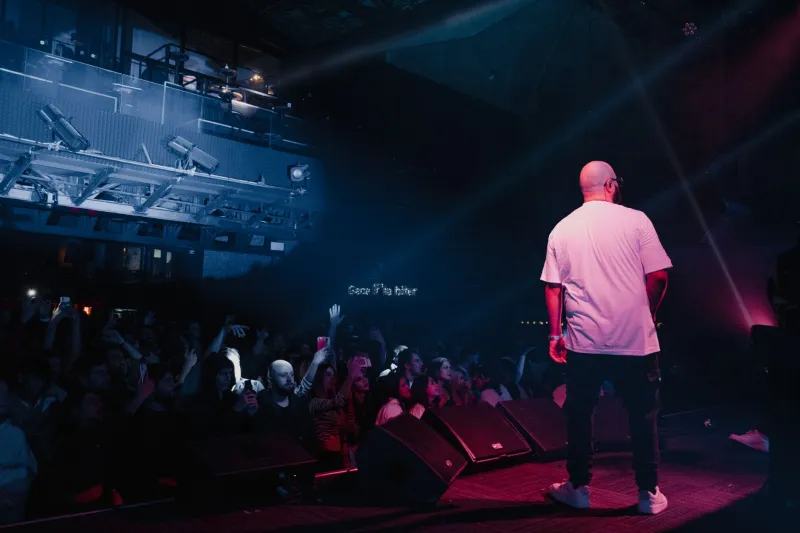
There's a moment — and if you've been to enough shows you've felt it — where a crowd that walked in cold, drinks barely touched, eyes still adjusting to the dim, suddenly shifts. Something happens up on stage. A chord lands differently. A voice cuts through the chatter. And by the time the opener finishes their last song, the room isn't the same room it was forty minutes ago. That transformation? It didn't happen by accident.
Somebody chose that act. Somebody made a bet.
The Invisible Architecture of a Great Night
Talk to any talent buyer in New York for more than five minutes and they'll tell you the same thing: booking an opener is nothing like booking a headliner. With a headliner, you've got data — ticket sales, streaming numbers, a track record. With an opener, you're often working off a gut feeling, a SoundCloud link someone forwarded at 11 p.m., and a prayer.
"People think the opener slot is a consolation prize," says one talent buyer who's worked with venues across Brooklyn and lower Manhattan for nearly a decade, speaking on background because they weren't authorized to rep their venue publicly. "It's actually the hardest booking decision we make. The headliner is locked. The opener is where you can either set the whole night on fire or walk it straight into a wall."
The stakes are real. A bad opener doesn't just bore a crowd — they can actively poison the atmosphere. Audiences arrive with a specific energy level, and an opener who reads the room wrong, plays too long, or simply doesn't connect can leave people checking their phones right up until the moment the main act hits. And then the headliner spends half their set trying to claw back what should have already been theirs.
What Bookers Are Actually Looking For
The criteria for landing an opening slot at a venue like Brooklyn Steel, Bowery Ballroom, or even a smaller room like TV Eye in Ridgewood isn't written down anywhere. It's more like an unspoken checklist that lives inside the heads of the people doing the booking.
Genre alignment matters, obviously — but it's more nuanced than just matching vibes. A booker isn't looking for a mini version of the headliner. They want something that leads into the headliner without competing with them. Think of it like a playlist: you don't open with the climax.
"Energy arc is everything," explains one independent booking agent who places emerging artists into NYC venues regularly. "You want the opener to build the room emotionally. They should be leaving the audience wanting — not satisfied, not overwhelmed. Hungry. That's when the headliner walks out and the crowd is already primed."
There's also the question of professionalism — and in this city, that word carries weight. Showing up on time, keeping the set to the agreed length, not blowing out the sound guy's levels, and knowing how to handle a half-empty room at 8:15 on a Tuesday. These aren't glamorous qualities, but they're the ones that get you called back.
The Openers Themselves: Risk, Reward, and the Reality Check
For the artists taking those slots, the math is complicated. Opening gigs in New York are career-defining and financially brutal, often at the exact same time. Pay is typically low — sometimes just a door split that amounts to gas money — and load-in times can mean hauling gear through Manhattan traffic at 4 in the afternoon for a set that starts at 8 and ends before most people finish their first drink.
And yet, ask any working musician in this city about the opener slot that changed things for them and watch their face change.
One Brooklyn-based indie artist, who asked to be identified only by their stage name Mara Veil, described opening for a much larger touring act at a sold-out Rough Trade NYC show two years ago. "I had twenty-five minutes and maybe sixty people actually paying attention," she says. "But those sixty people — I saw them pull out their phones to Shazam me mid-song. That's the whole game. You're not playing for the crowd that's there. You're playing for the room you're going to fill next year."
That long-game thinking is exactly what the best bookers are looking for when they scan an artist's live footage or catch a set at a smaller venue. They're not just evaluating today's draw. They're projecting.
When the Gamble Doesn't Pay Off
Of course, not every opening slot story ends with a Shazam moment and a sold-out headline show six months later. Sometimes the bet just doesn't land.
Bookers describe a specific kind of dread: the opener who was perfect on paper but can't hold a live room. The artist whose recorded output is stunning but whose stage presence reads as nervous energy to 400 people who came to see someone else. The genre mismatch that somehow slipped through — the moody ambient project opening for a high-energy hip-hop act, leaving the crowd restless and confused.
"The worst nights aren't when the opener is bad," one talent buyer admits. "The worst nights are when they're just wrong. Wrong tempo, wrong vibe, wrong everything. You watch the room deflate in real time and you know the headliner is going to have to spend the first three songs just resetting the energy. That's on you. That's your call that did that."
The post-mortem on those nights is where bookers say they learn the most — not just about the artists, but about the specific personality of their venue and its audience. Every room has its own rhythm. What works at a sweaty DIY space in Bushwick might completely misfire at a polished seated venue in the West Village.
The Unsung Architects
There's a reason the best openers rarely get the credit they deserve, even when a show goes perfectly. By design, their job is to disappear into the night — to elevate the experience without drawing attention to the seams. When it works, audiences walk away talking about how incredible the headliner was, how good the whole night felt, how the energy was just right from the jump.
The opener did that. The booker who chose them did that.
New York's live music ecosystem depends on this invisible labor more than most people realize. The city's reputation as the proving ground for emerging talent — the place where careers get made in front of a few hundred people before the rest of the world catches on — is built in no small part on the quality of its opening slots. Those early sets are where the next headliner is rehearsing their future.
So next time you're at a show and the opener makes the room feel like something is already happening before the night has even officially begun, stay present for it. Buy the merch. Tell a friend. That artist is working harder than you know — and somewhere in the back of the room, the person who booked them is exhaling for the first time all night.